
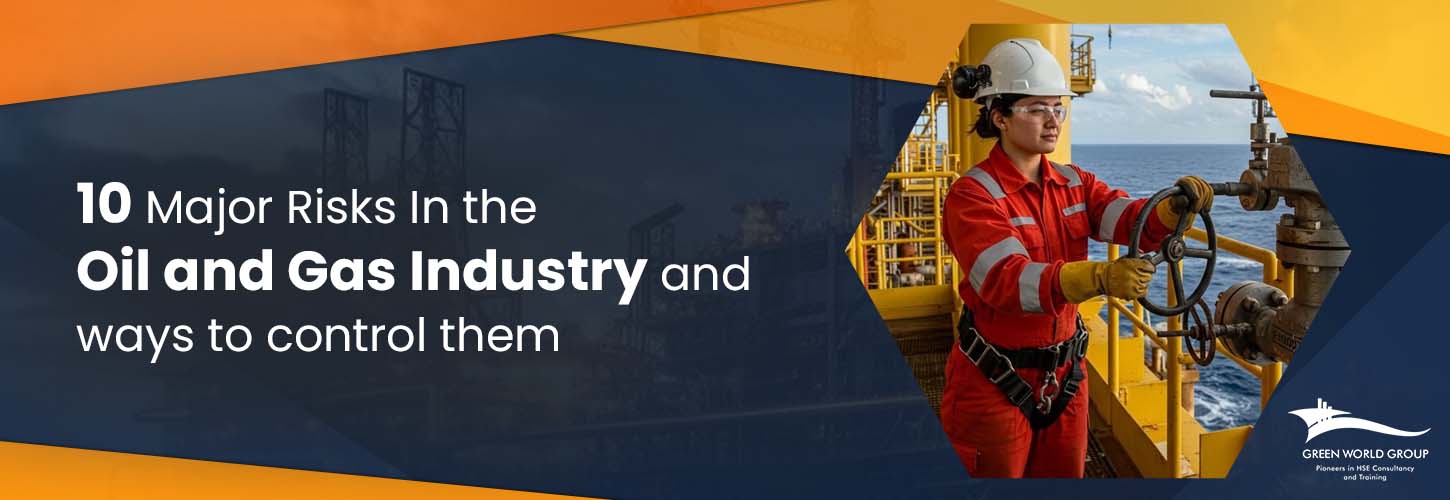
10 Major Risks in the Oil and Gas Industry and How to Control Them
Although the oil and gas industry are certainly powering the global economy, it is still considered one of the most hazardous sectors worldwide. According to the UK HSE (Health and Safety Executive), approximately 175 dangerous incidents and 77 hydrocarbon releases have been reported in 2022. The nature of operations in the oil and gas industry poses inherent and major hazards and risks. This blog delves into some of the major risks and solutions to mitigate such risks.
What Makes Oil and Gas a High-Risk Industry?
The operations of the oil and gas industry are typically performed at high temperature ranges, leading to inherent risks across all stages of operations. Right from equipment failure, comprising high-risk activities such as extraction, drilling and transporting flammable materials, adds a layer of threat and operational risks.
According to the CDC (Centers for Disease Control and Prevention), the fatality rate of workers involved in the oil and gas industry is 7 times higher compared with other industries.
Major hazards in the oil and gas sector
Understanding potential hazards and executing risk measures ensures a proactive approach to safeguard people, assets and the environment. Risk management is key to the sustainability and safety of high-risk industries. Here are some of the consistently observed hazards:
Major Risks in the Oil and Gas Industry & Their Safety Measures
1. Fire and explosion:
Hydrocarbon release is considered the most catastrophic risk in this industry, which has the likelihood of ending up in immediate ignition hazards.
Let’s look into a major incident that happened in the UK.
In June 2014, in the North Sea, during the Beryl Alpha production installation, the oil company failed to give written safety procedures for the depressurization of an oil well. This has ended up with the release of over 1000 kg of hydrocarbon gas. The consequences include moving 134 people to mustard situations for 6 hours.
Control Measures:
2. Toxic Gas Exposure:
H2S exposure is a leading cause of fatalities. Concentrations that exceed 100 ppm will lead to immediate unconsciousness.
Control Measures:
3. Chemical Burns and Exposure:
Refining processes often involve caustic materials that can cause serious injuries.
Control Measures:
4. Blowouts:
Drilling operations can end up in uncontrolled releases that lead to devastating impacts on people and the environment.
Control Measures:
5. Transportation Accidents:
Moving people and flammable materials in remote areas can cause major risks.
Control Measures:
6. Confined Space Incidents:
Confined spaces such as vessels, tanks and pipelines are explosive atmospheres and are oxygen-deficient.
Control Measures:
7. Mechanical Failures:
Excessive stress on high-pressure systems can lead to catastrophic failure.
Control Measures:
8. Falls from Height :
Offshore platforms and processing units involve extensive work at elevated areas.
Control Measures:
9. Environmental Releases :
Spills and emissions can lead to harm to the environment and legal actions.
Control Measures:
10. Electrical Hazards:
Electrical hazards pose serious risks to people in the oil and gas industry.
Control Measures:
Achieve Safety Excellence in the Oil and Gas Industry
Proficiency in process safety management is vital for those involved in high-risk environments like oil and gas. Enrolling in the right safety course helps in protecting the lives, environment and ensuring sustainable operations.
Green World Group offers NEBOSH PSM (Process Safety Management), which is exclusively designed for professionals in the oil & gas industry. This course integrates core topics such as process hazard analysis, management of change procedures, and incident investigation techniques to effectively manage risks.
Obtain the essential expertise for safety in the oil & gas industry; contact GWG today!